EMI Calculator for ₹5 Lakh Loan
Quick preview at 8.5% p.a. (illustrative). Use the buttons to open the main tool with values pre-filled.
emi calculator 5 lakh: Compare 10/15/20/30-year EMI instantly using the pre-filled tool below.
Loan Details
Note: EMI results are estimates. Actual rates, fees, and lender charges may vary.
Monthly EMI (Example: 20 Years)
Estimated EMI: ₹4,339/month (20 years @ 8.5%).
₹5 Lakh EMI comparison (8.5% p.a.)
| Tenure | Monthly EMI | Total Interest | Total Payment |
|---|---|---|---|
| 10 Years | ₹6,199 | ₹2,43,880 | ₹7,43,880 |
| 15 Years | ₹4,924 | ₹3,86,320 | ₹8,86,320 |
| 20 Years | ₹4,339 | ₹5,41,360 | ₹10,41,360 |
| 30 Years | ₹3,845 | ₹8,84,200 | ₹13,84,200 |
Figures are approximate and for illustration only.
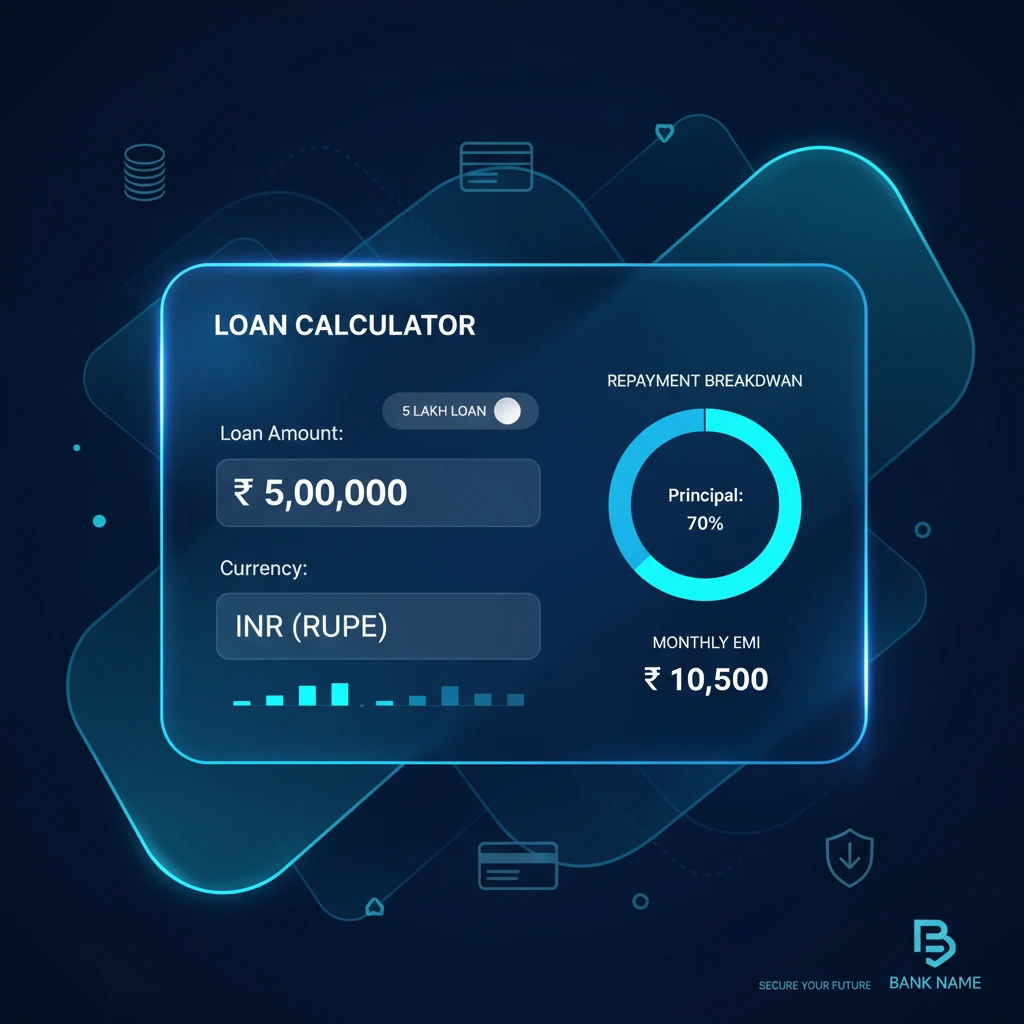
EMI calculator 5 lakh — How to use this page
This emi calculator 5 lakh page gives you a quick illustration of repayment outcomes for a ₹5 lakh loan at an example interest rate (8.5% p.a.). If you’re trying to estimate the emi for 5 lakh loan quickly across common tenures (10/15/20/30 years), the pre-filled buttons above are the fastest way to open the main EMI calculator with values already set.
A ₹5 lakh loan is often used for smaller personal needs (medical, education, emergency expenses) or smaller secured borrowing. For such loans, your key decision is usually a balance between affordability (lower EMI) and total cost (lower total interest).
What changes when you choose 10 vs 15 vs 20 years?
Tenure has a direct impact on the monthly emi for 5 lakh loan. A shorter tenure increases your EMI, but typically reduces the total interest paid. A longer tenure lowers the EMI but increases total interest over time. This is why comparing tenures side-by-side is useful even before you talk to a lender.
How EMI works (simple explanation)
EMI is made up of two parts: principal and interest. In the early months, interest usually forms a larger portion of the EMI, especially for longer tenures. Over time, the principal component increases. This is also why prepayments made early in the loan can reduce interest more effectively than prepayments made later.
Interest rate scenarios (why small changes matter)
Even for a smaller loan, rate changes can be meaningful. If you’re comparing a bank offer vs an NBFC offer, or fixed vs floating options, test 7.5% vs 8.5% vs 10% scenarios using the buttons. This helps you understand what your 5 lakh loan emi could look like under different market conditions.
Practical tips for reducing EMI or total interest
• If you can afford it, reduce tenure to save interest.
• If your EMI feels too high, extend tenure and consider prepaying later when cash flow improves.
• Prepay early when possible—interest savings are usually larger earlier in the loan period.
• If lender rules allow, compare “reduce tenure” vs “reduce EMI” options for prepayments.
India vs USA (currency view)
These pSEO pages are written in Indian loan terms (₹, lakh). If you want to run the same scenario in USD, use the 🇺🇸 USA button above to open the main EMI calculator in USA mode. (The main tool supports switching currency/locale.)
Sources & References
Interest rate structures and EMI repayment logic align with common lending practices. For official consumer guidance, refer to:
Reserve Bank of India (RBI) – Loan FAQs Consumer Financial Protection Bureau (CFPB) – Understanding loan estimatesNote: This page is illustrative. Your actual EMI depends on lender rate, processing fees, insurance, and loan structure.
FAQs: ₹5 Lakh EMI
Q1) What is the EMI for ₹5 lakh loan at 8.5% for 20 years?
It is approximately ₹4,339 per month in this illustration. Use the main EMI calculator for exact lender-specific results.
Q2) Is 15 years or 20 years better for a ₹5 lakh loan?
A 15-year tenure usually increases EMI but lowers total interest. A 20-year tenure reduces EMI but increases total repayment.
Q3) How much difference does interest rate make in EMI?
Even a small difference like 0.5% to 1% can noticeably change total interest over long tenures.
Q4) Can I reduce EMI without changing the loan amount?
Yes. You can lower EMI by increasing tenure, negotiating a lower rate, or making part-prepayments.